
Redesigning a Sheet Metal Assembly for Lower Manufacturing Cost
How design-for-manufacturing decisions can simplify fabrication, reduce secondary operations, and improve assembly efficiency without compromising product function.

For many sheet metal assemblies, manufacturing cost is influenced by design decisions made well before production begins. Part geometry, material usage, tolerances, joining methods, and the number of components can all contribute to the overall cost of an assembly.
A design review focused on manufacturability can uncover opportunities to reduce cost while maintaining the performance and functional requirements of the product.
Where Cost Often Enters the Design
Complex bends, unnecessary features, tight tolerances, multiple components, and extensive secondary operations can increase fabrication and assembly requirements.
Simplifying Without Compromising Function
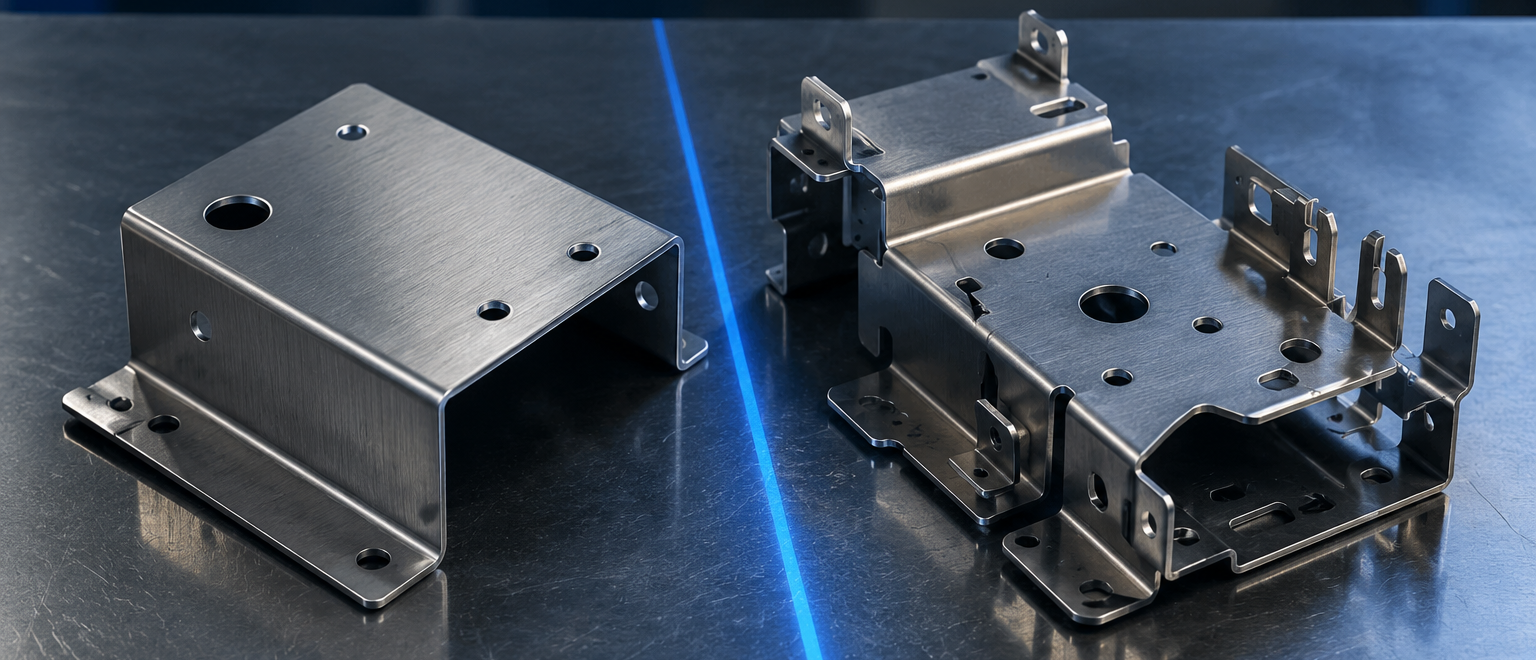
A cost-focused redesign does not mean removing features simply to reduce material or production time.
The focus is on understanding which design elements contribute to product performance and which add unnecessary manufacturing complexity.
Reducing unnecessary bends, consolidating components, and optimizing part geometry can help simplify fabrication while preserving the intended function of the assembly.
Material and Tolerance Considerations
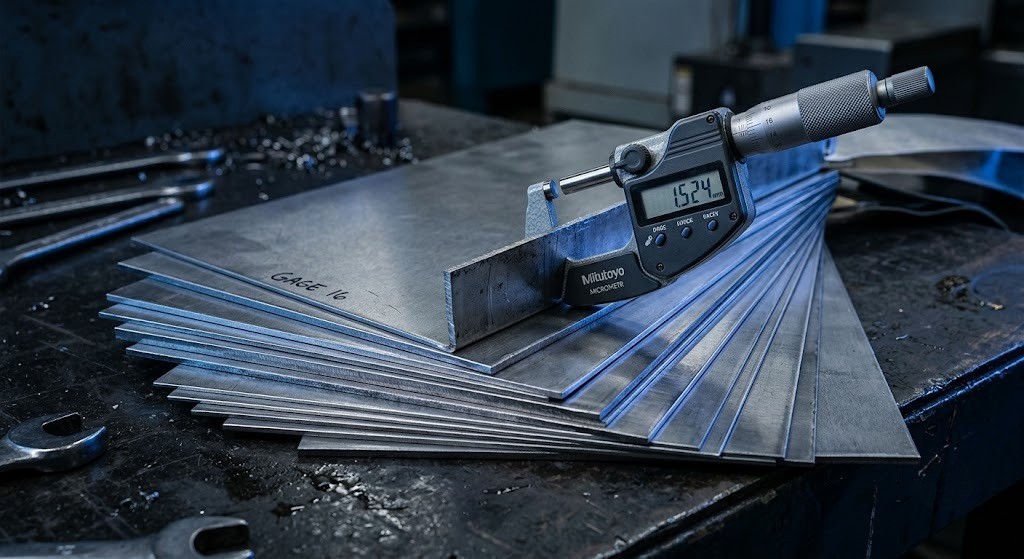
Material selection and thickness can have a significant impact on manufacturing economics. Reviewing commonly available materials and standard thicknesses may help improve sourcing and production efficiency.
Tolerances also deserve attention. Applying tighter tolerances only where they affect fit or function can avoid unnecessary manufacturing and inspection requirements.
Reducing Secondary Operations
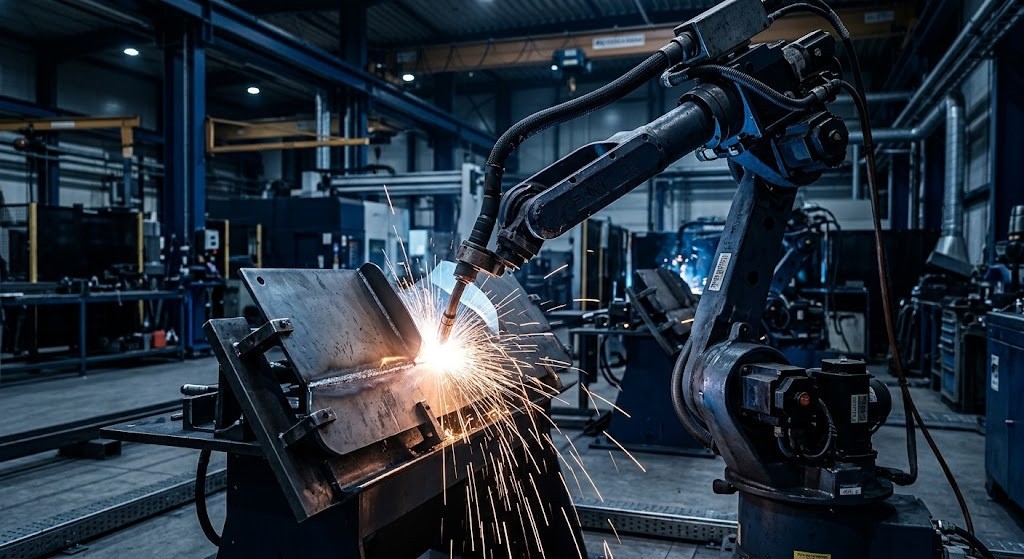
Welding, machining, grinding, and other secondary processes can add cost and production time.
During a design review, these requirements can be evaluated against alternative fabrication approaches. In some applications, modifying the geometry or joining strategy can reduce the number of downstream operations required to complete the assembly.
Designing for a More Efficient Assembly
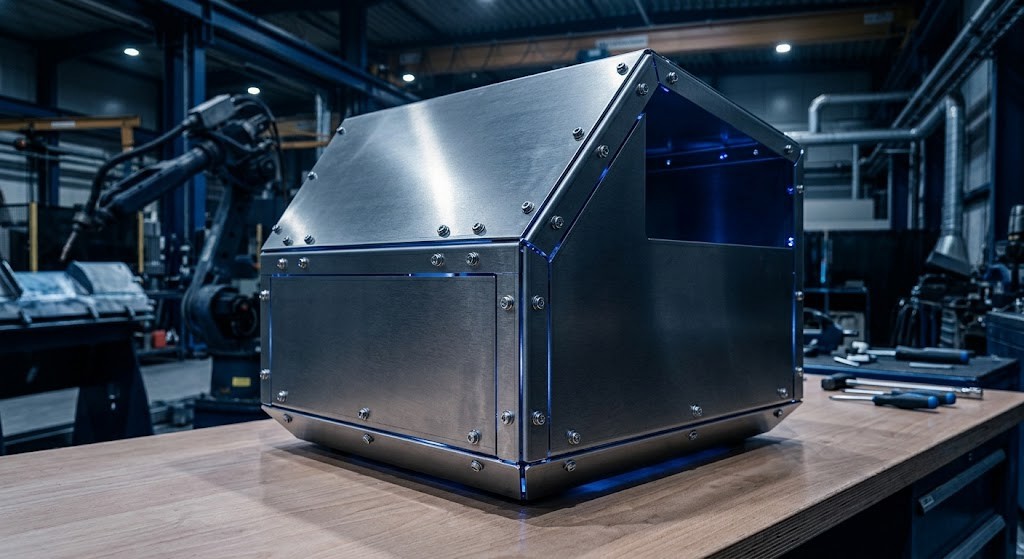
The cost of a sheet metal assembly extends beyond individual part fabrication.
Part count, fasteners, alignment requirements, and manual assembly time can all influence the finished cost. A redesign that simplifies how components fit together can improve both production efficiency and consistency.
A More Practical Cost-Reduction Strategy
The strongest opportunities often come from looking at the entire manufacturing process rather than optimizing a single component.
At Jaydu, we look at sheet metal assemblies from a broader manufacturing perspective—considering design, material, fabrication, tolerances, joining, and assembly together to identify practical opportunities for cost and process improvement.
The objective is straightforward: achieve the required product performance with a design that is efficient to manufacture at production scale.
Looking at a Sheet Metal Assembly for Cost Reduction?
If you are evaluating an existing sheet metal assembly, Jaydu can review the design and identify opportunities to improve manufacturability, simplify production, and reduce unnecessary manufacturing complexity.
Connect with Jaydu to discuss your sheet metal assembly and explore practical design-for-manufacturing opportunities.
Contact Our Engineering Team