Embedded Electronics Engineering for Smarter, More Reliable Industrial Equipment

Embedded Electronics Engineering

Embedded Electronics Engineering forSmarter, More Reliable Industrial Equipment

A machine can be mechanically sound and still fall short of modern manufacturing expectations.

Across U.S. industrial operations, equipment manufacturers are adding sensors, electronic controls, connectivity, diagnostics, and intelligent decision-making to machines that were originally designed around mechanical performance. The objective is straightforward: make equipment more observable, responsive, efficient, and easier to maintain.

The engineering challenge is much less straightforward.


As machines become more connected, the embedded electronics layer increasingly becomes part of the product’s operational backbone. A poorly integrated sensor, unstable control architecture, unreliable communication interface, or difficult-to-maintain firmware can turn an otherwise successful equipment platform into a field-support problem.

And in 2026, cybersecurity has become part of that conversation as well. NIST’s recent manufacturing guidance notes that greater IT/OT connectivity is expanding the exposure of industrial control environments and emphasizes the importance of both prevention and recovery.


The Embedded Electronics Bottleneck Is No Longer Just Hardware

For industrial equipment manufacturers, adding electronics is rarely a matter of simply installing sensors and connecting a controller.

The real challenge is making the complete system work reliably under actual operating conditions.

A modern machine may need to coordinate:


Each layer introduces another engineering dependency.

A sensor may generate valuable data, but that data is only useful if the system can interpret it consistently. A controller may perform perfectly in a laboratory environment but behave differently when exposed to vibration, temperature variation, electrical noise, or long operating cycles.

This is where embedded electronics engineering becomes a product-level challenge rather than an individual component exercise.

Embedded Electronics Engineering

The Integration Gap Inside Existing Equipment

One of the most common situations facing industrial OEMs is the need to modernize an existing machine without redesigning the entire product.

Legacy equipment may already have proven mechanical architecture, established manufacturing processes, and customers relying on the platform. Replacing everything may be commercially impractical.

Embedded Electronics Engineering

The more practical path can be to introduce an embedded control and sensing architecture around the existing system.

That can involve integrating new sensors, updating controllers, establishing communication between subsystems, and developing the firmware required to coordinate the new electronics with existing machine behavior.

The objective is not simply to make an older machine “smart.”

It is to create a dependable electronics architecture without introducing new failure points.


Reliability Has to Be Designed Into the Architecture

Industrial electronics operate in environments that are considerably less forgiving than typical consumer applications.

Temperature fluctuations, vibration, electromagnetic interference, voltage variations, continuous operating cycles, and harsh industrial conditions can all influence electronic performance.

This makes engineering decisions around component selection, PCB design, power management, signal integrity, thermal considerations, enclosure requirements, and firmware behavior important from the beginning.

Embedded Electronics Engineering

For manufacturers, reliability also has a commercial dimension.

A machine failure in the field can mean production downtime, service visits, replacement components, warranty exposure, and customer dissatisfaction.

That is why embedded electronics development should consider not only whether a system works, but how consistently it will work throughout the product lifecycle.

“How consistently it will work throughout the
product lifecycle.”


Connectivity Creates Another Engineering Layer

The move toward connected equipment is creating another pressure point.

Manufacturers increasingly want machines to communicate with higher-level systems for monitoring, diagnostics, predictive maintenance, production analytics, and remote service.

But connecting an embedded system to a broader industrial network changes the engineering equation.

Embedded Electronics Engineering

The system now has to consider communication reliability, data integrity, access controls, software updates, diagnostics, and cybersecurity.

NIST’s 2026 guidance for IoT manufacturers similarly emphasizes incorporating cybersecurity activities throughout the product lifecycle rather than treating security as something added after development.

For equipment manufacturers, this means embedded electronics architecture and cybersecurity can no longer be treated as completely separate conversations.


Where Engineering Support Makes a Difference

The strongest embedded electronics programs typically begin with the machine’s business and operational requirements.

What needs to be measured?
What needs to be controlled?
What existing equipment must remain?
What information needs to reach the operator or enterprise system?
What happens when a sensor fails?
How should the machine behave during a communication interruption?
How will the electronics be supported several years after deployment?

These questions shape the architecture before individual components are selected.

For an industrial equipment manufacturer, an engineering partner can support this process through embedded electronics development, sensor integration, embedded control systems, hardware and firmware development, electronics integration, communication interfaces, testing, and product engineering support.

This approach helps bridge the gap between a machine concept and an electronics system that can actually survive in production.

Embedded Electronics Engineering

From Connected Machines to More Resilient Products

The next generation of industrial equipment will not be defined simply by how many sensors it contains.

The differentiator will be how well those sensors, controllers, firmware, mechanical systems, and connectivity work together.

For U.S. manufacturers investing in smarter equipment, the opportunity is therefore broader than adding electronics. It is about building an embedded architecture that supports reliability, maintainability, operational visibility, cybersecurity, and long-term product performance.

That is where embedded electronics engineering becomes a strategic product capability.


Jaydu supports industrial equipment manufacturers with embedded electronics engineering, sensor integration, control-system development, and product engineering capabilities designed to connect electronics with real-world machine requirements.

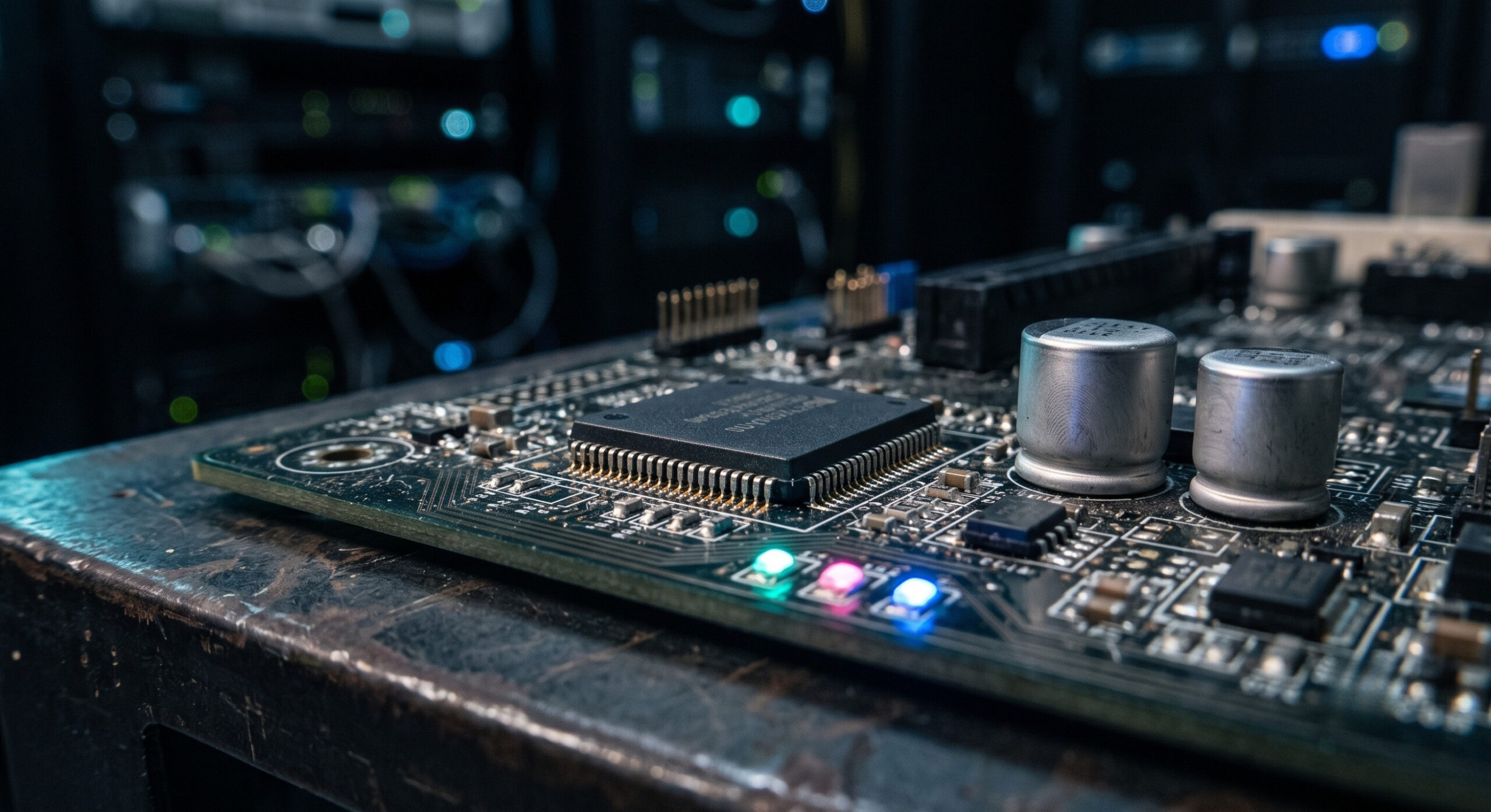
The goal is simple: make the machine smarter without making the product harder to operate, maintain, or scale.