
Engineer to Order (ETO) Services for Service Trucks

Commercial Vehicle Engineering | ETO Engineering | Product Engineering

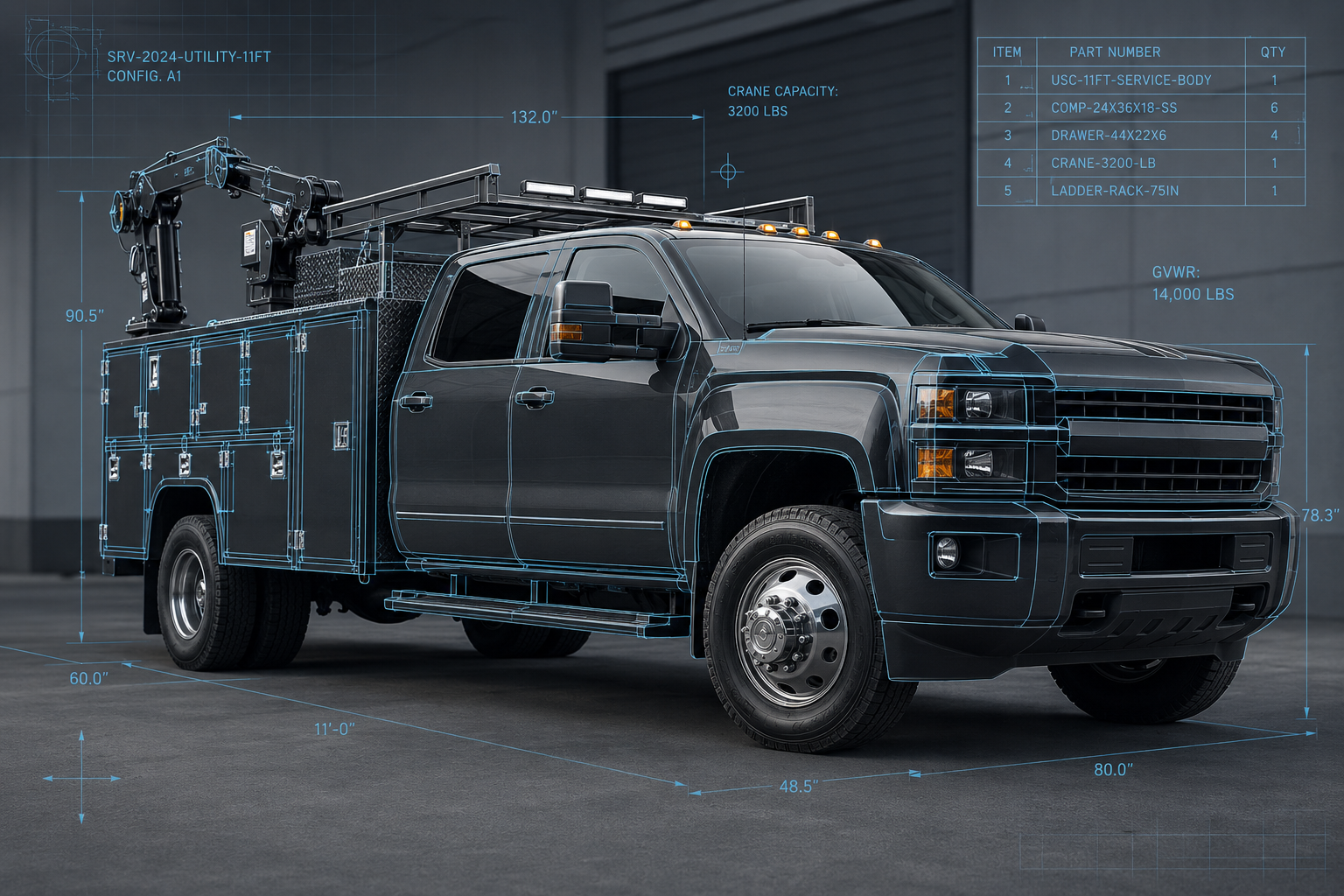
Customization is a competitive requirement in commercial vehicle manufacturing. But as order variations increase, engineering teams can quickly find themselves spending more time processing configurations, recreating design information, preparing documentation, and managing validation than solving genuinely new engineering problems.

For service body manufacturers, the challenge is not simply designing a custom product.The larger challenge is scaling custom engineering without allowing engineering effort, backlog, and order-processing time to grow at the same rate as product variation.

A structured Engineer to Order (ETO) Services approach can address this by combining reusable engineering resources, standardized order processing, custom design, engineering documentation, and design validation.

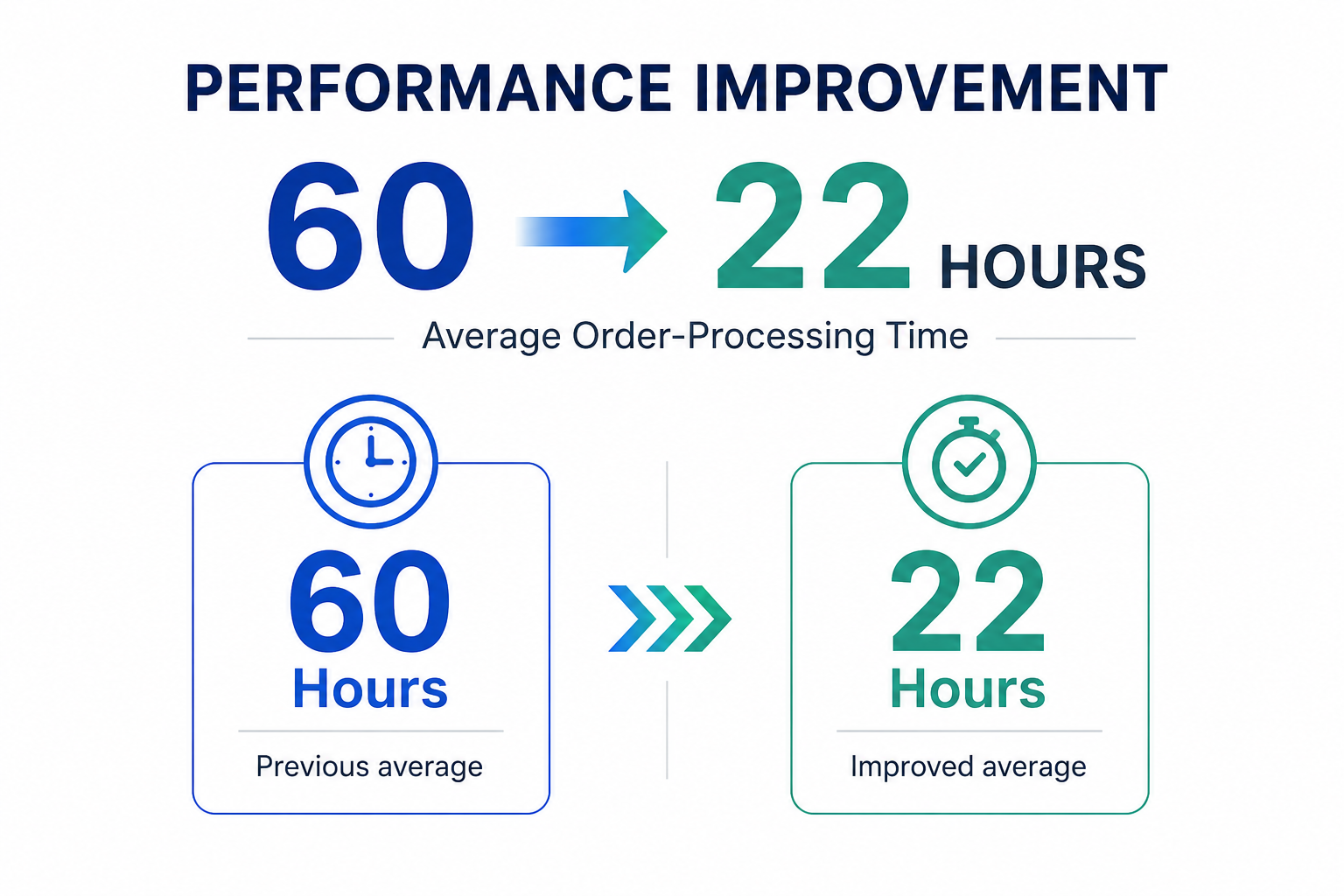
In one ETO engineering program, this approach reduced average order-processing time from 60 hours to 22 hours, while also helping clear the engineering backlog and ensuring custom designs were structurally validated.
Engineer to Order (ETO) Services for Service Trucks

Where ETO Engineering Becomes Difficult

The biggest ETO challenge is often not design complexity itself, but the number of engineering decisions created by product variation. Each additional configuration can affect drawings, components, design packages, validation, and manufacturing information.

For service truck manufacturers, order variation can influence several connected engineering activities:

When these activities are handled independently, engineering teams can spend significant time coordinating information between stages.

The real question for engineering leaders is:

How much recurring engineering work can be standardized while keeping enough flexibility for genuinely custom requirements?

That is where ETO engineering creates leverage.

Where ETO Complexity Comes From

Engineer to Order (ETO) Services for Service Trucks

More Customization = More Engineering Decisions

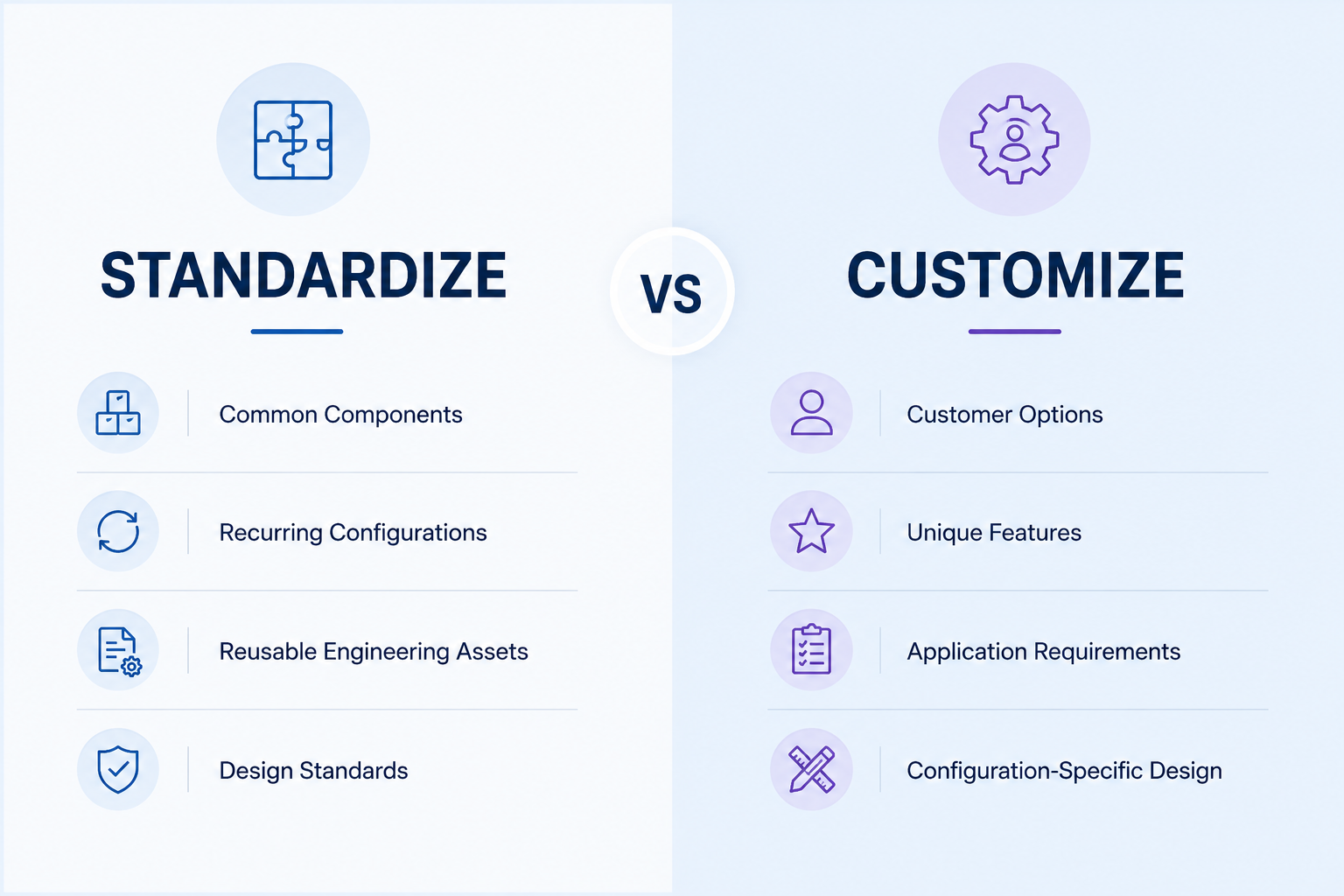
Standardizing What Repeats

The strongest opportunity in an ETO workflow is identifying the engineering activities that do not need to be recreated for every order.

In the referenced engineering program, a standard library of components was created to support faster ETO processing.

This type of engineering library can provide a reusable foundation for recurring product elements while allowing engineers to focus their time on the areas that genuinely require customization.

The principle is straightforward:
Engineer to Order (ETO) Services for Service Trucks

The objective is not to eliminate customization.

It is to avoid spending engineering hours repeatedly solving problems that have already been solved.
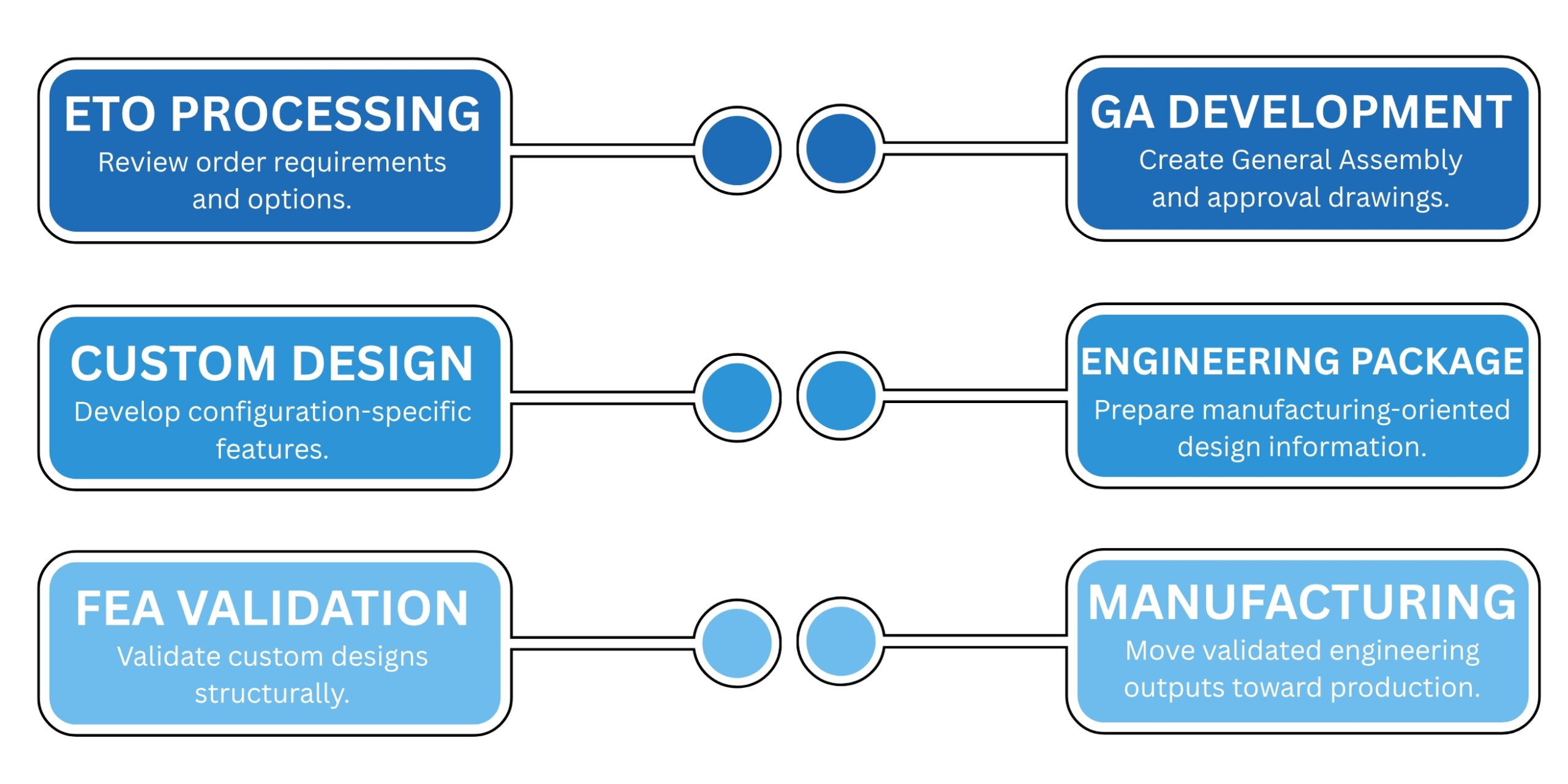
Connecting Order Processing With Engineering

A significant ETO efficiency opportunity exists before detailed design begins.

Order options need to be reviewed, engineering requirements need to be understood, and the correct configuration needs to be established before downstream design activities can move efficiently.

A disconnected workflow creates additional interpretation and unnecessary handoffs.

Engineer to Order (ETO) Services for Service Trucks

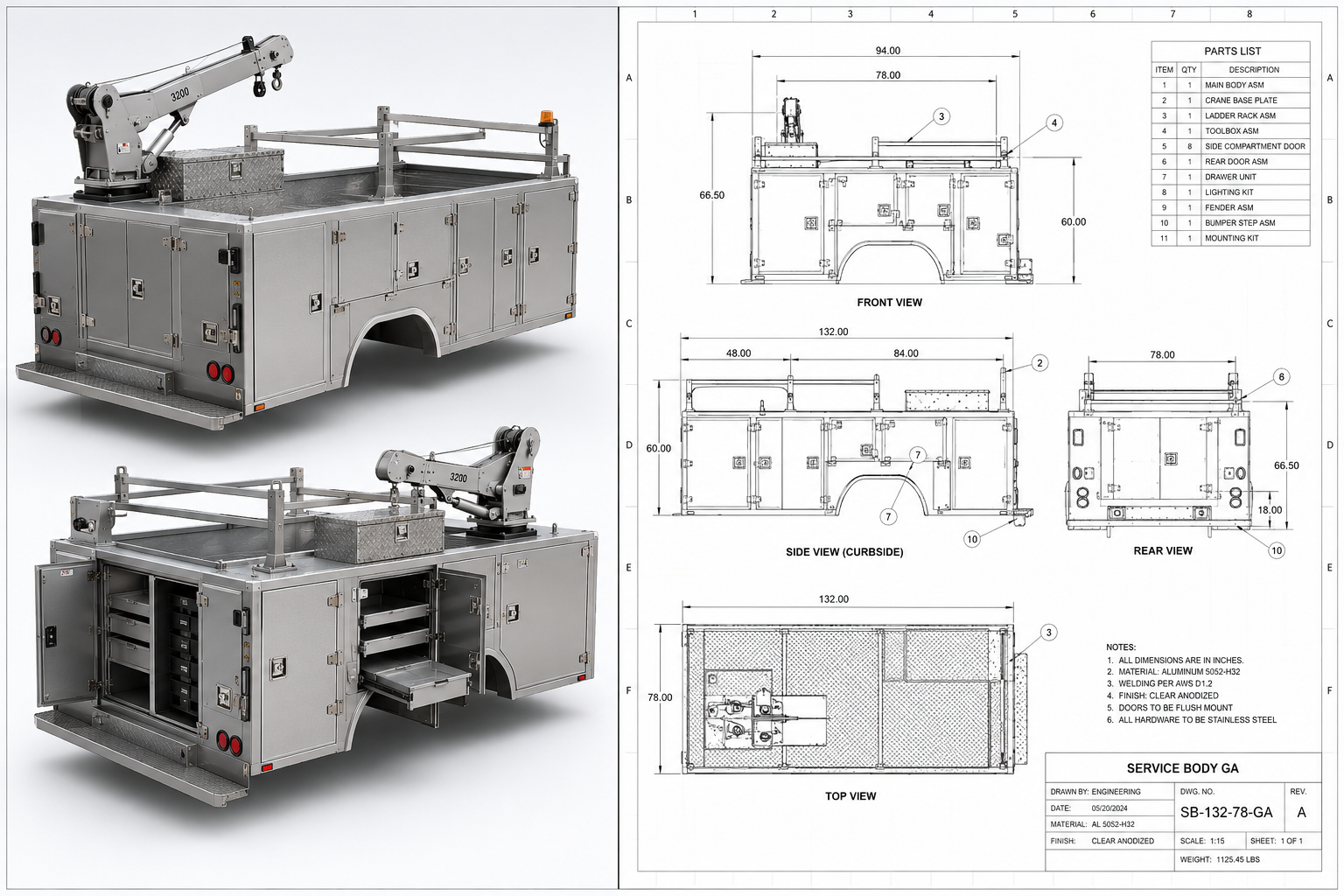
Why General Assembly Drawings Matter in ETO

General Assembly drawings are more than documentation produced at the end of an engineering process.For customized products, they provide a structured representation of the configured product and help align engineering requirements with approval and manufacturing activities.

An effective GA workflow can support:

When GA development is integrated into the ETO workflow, it becomes part of the engineering information flow rather than an isolated documentation activity.
Engineer to Order (ETO) Services for Service Trucks

Validating Custom Designs With FEA

Customization should not end when the drawing is complete.

When configuration changes can affect structural requirements, appropriate engineering validation becomes an important part of the development process.

FEA can provide engineers with a method for evaluating the structural behavior of customized designs before manufacturing.

Within the engineering workflow, Ansys-based FEA validation can be incorporated to support structural evaluation of custom designs.

This creates an important principle for scalable ETO engineering:

Automate repeatable engineering activities, but retain


engineering validation where configuration changes can affect product performance.

Measuring the Impact of a Structured ETO Workflow

Engineering transformation should ultimately create measurable operational improvement.

A structured ETO workflow reduced average order-processing time from 60 hours to 22 hours, while also helping clear engineering backlogs and supporting structural validation of custom designs.

The improvement was supported by multiple engineering capabilities working together:

ETO efficiency is a workflow challenge before it becomes a technology challenge.

Introducing another engineering tool does not automatically eliminate engineering bottlenecks. Greater value comes from identifying repetitive engineering decisions, structuring the workflow around them, and applying technology and engineering resources where they create measurable leverage.
Engineer to Order (ETO) Services for Service Trucks

Building ETO Capacity Without Adding Complexity

When ETO demand increases, manufacturers often respond by adding engineering capacity.

Additional capacity can help, but it does not automatically solve an inefficient workflow.

If engineers continue recreating components, interpreting the same information, or manually coordinating similar design activities, additional resources can simply increase the number of people working through the same bottlenecks.

A more scalable approach combines:

Dedicated engineering resources can support order-processing demand while standardized engineering assets help prevent repetitive work from consuming the available capacity.

This combination allows engineering teams to support customization without creating unnecessary process complexity.

What Manufacturers Should Evaluate in Their ETO Workflow

Engineering leaders can evaluate their current ETO process by asking five practical questions.

01 — What Engineering Work Is Repeated?

Identify components, drawings, calculations, and design activities that recur across multiple orders.

02 — Where Does Information Get Reinterpreted?

Look for unnecessary handoffs between order processing, engineering, and manufacturing.

03 — What Can Become a Reusable Engineering Asset?

Determine which components, configurations, and design elements can be standardized.

04 — Where Is Engineering Judgment Still Required?

Identify the areas where customization requires technical review, analysis, or validation.

05 — How Quickly Does Validated Design Reach Manufacturing?

Measure the time between receiving the order requirements and producing engineering information that is ready for downstream manufacturing.

Jaydu's Engineer to Order Engineering Approach

Jaydu supports manufacturers across the ETO engineering workflow, including:

The focus is on creating a connected path between order requirements, engineering execution, validation, and manufacturing output.

By combining reusable engineering resources with configuration-specific design and validation, manufacturers can build a more scalable approach to customized product development.

As customization increases, engineering workflows need to become more structured—not more complicated.

Ready to improve your ETO workflow?

Is Your ETO Workflow Scaling With Your Order Volume?

Frequently Asked Questions

How can manufacturers scale ETO engineering?

Manufacturers can scale ETO engineering by identifying repeatable activities, developing reusable engineering assets, structuring order-processing workflows, and maintaining appropriate validation for custom requirements.

Component libraries provide reusable engineering resources for recurring product elements, reducing the need to recreate similar engineering information for every order.

FEA can help engineers evaluate the structural behavior of customized designs before manufacturing and provide an additional engineering validation step.

Manufacturers can combine standardized workflows, reusable design resources, improved information flow, and dedicated engineering capacity to reduce repetitive work and improve processing efficiency.

Yes. Jaydu supports ETO processing, GA drawings, custom design, engineering packages, electrical schematics, FEA validation, component libraries, and dedicated engineering support.